


Hardware and the Inch That Decides How a Room Feels
Hardware is the only material in a room your hand actually touches. You look at the stone, you walk on the floor, you sit on the upholstery but the door handle, the drawer pull, the cabinet knob: those you hold.
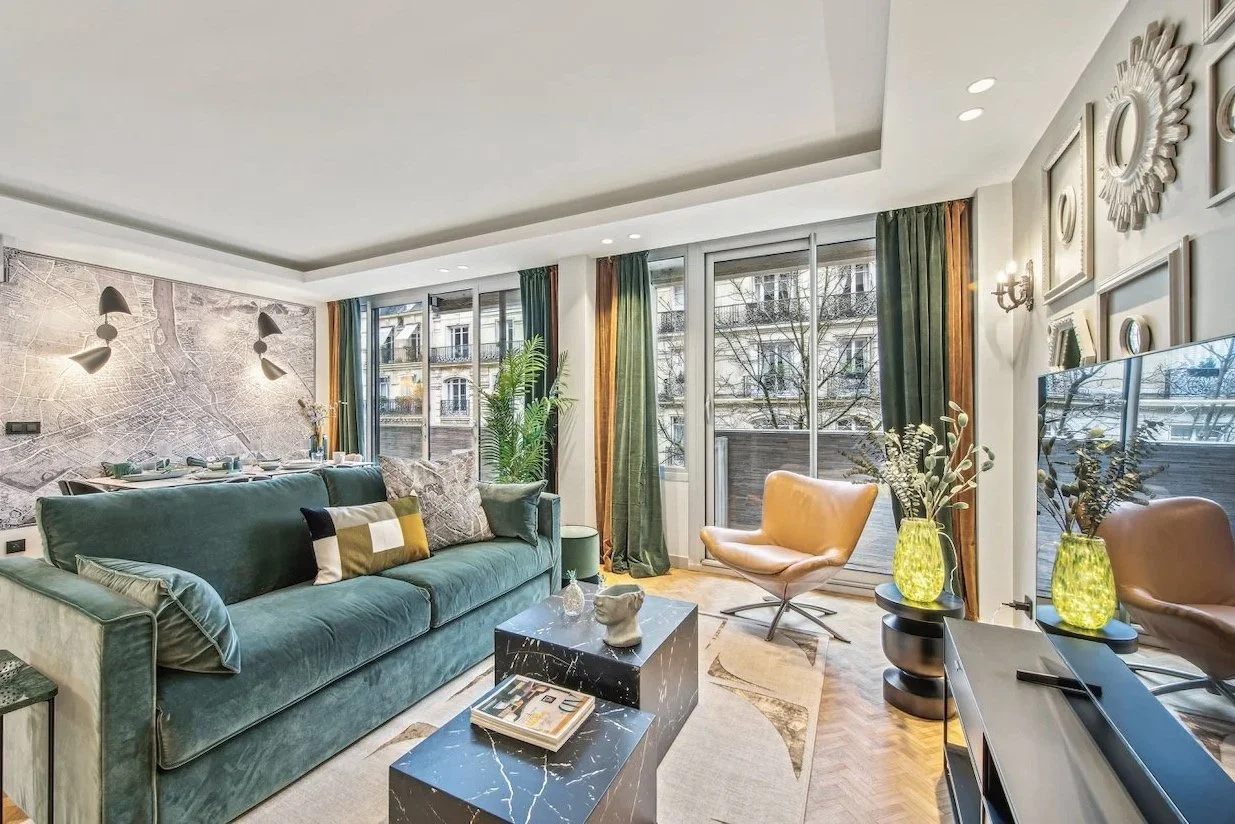
Curtains and Window Treatments: The Frame That Finishes a Room
Curtains hung too short, in the wrong fabric, with the wrong heading. That is the most common interior mistake I see, and also the easiest to get right once you know the rules.

Rugs as Architecture: Why the Right Rug Anchors a Room
A rug is the architecture of a room you can see. It draws the plan on the floor: it says this is where we sit, this is where we gather, this is where one space ends and another begins. And yet the rug is the thing most people buy last, in a hurry, too small, and to fill a gap.

Textiles in Interior Design: Linen, Wool, Silk, and How to Layer Them
Textiles are the layer that softens architecture and finishes the room. Everything before them is hard: the plan, the plaster, the stone, the joinery. Then the fabric arrives the upholstery, the curtains, the cushions, the throw over the arm of a chair and suddenly the room can be lived in.

Metals in Interior Design: Brass, Bronze, Steel, and When to Use Each
Brass warms. Steel cools. Bronze sits between. Those three sentences hold more design consequence than most clients realise when they choose a tap or a door handle almost as an afterthought.

Plaster, Lime Wash, and Traditional Wall Finishes Worth Specifying
Lime wash and traditional plaster don't just sit on a wall. They become part of it. That single fact is the reason I keep specifying them long after modern emulsion made them, on paper, unnecessary.
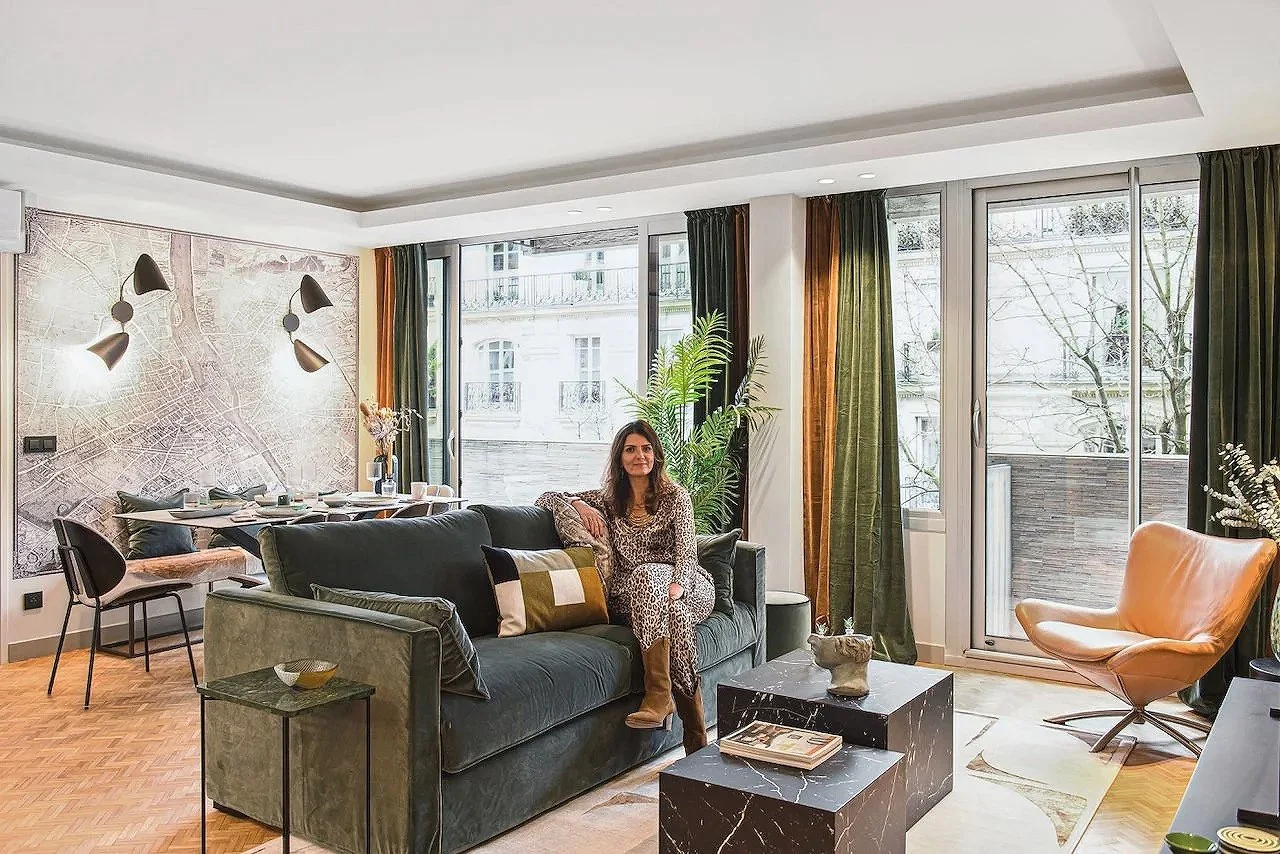
Colour in Interior Design: Beyond Beige and Greige
Beige isn't a decision. It's the avoidance of one. So is greige, its more fashionable cousin the colour you choose when you are frightened of choosing a colour at all.
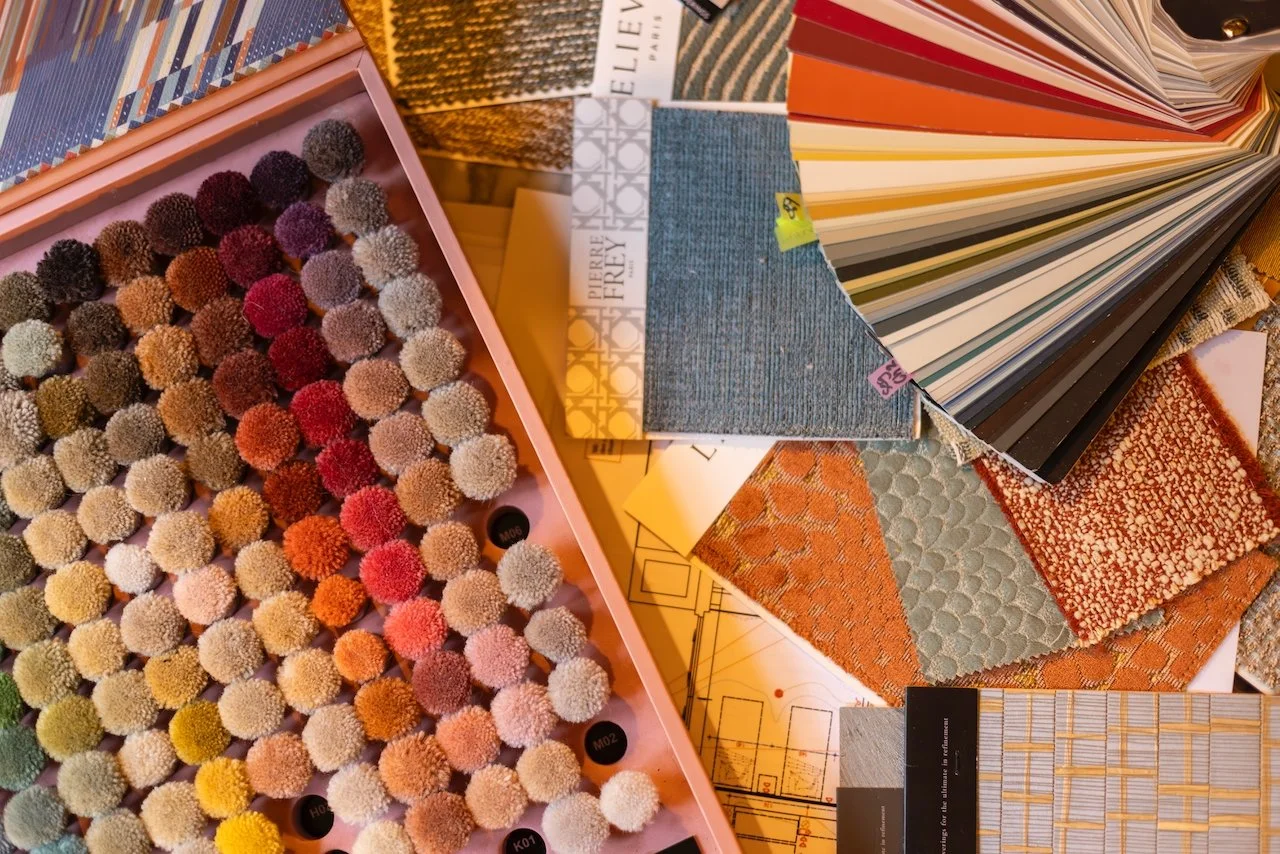
Paint and Finishes: Why the Wall You Don't See Is the Wall That Matters
There is a moment on every project when a client asks me to approve a colour, and I ask them, in return, about the finish. Almost always there is a pause. Colour they have thought about for weeks. The finish they have not thought about at all.

Parquet Flooring: Patterns, Species, and What Distinguishes a Great Floor
Herringbone, chevron, point de Hongrie, Versailles. To most people these are just names for a wooden floor. To anyone who works with interiors, they are a code a language of pattern, proportion, and craft that tells you immediately whether a parquet floor was thought about or simply ordered.
Wood species for interiors: Beyond oak and walnut
Oak and walnut dominate the conversation about wood in interiors, and for good reason both are superb. But when they become the only two species anyone considers, something is lost.
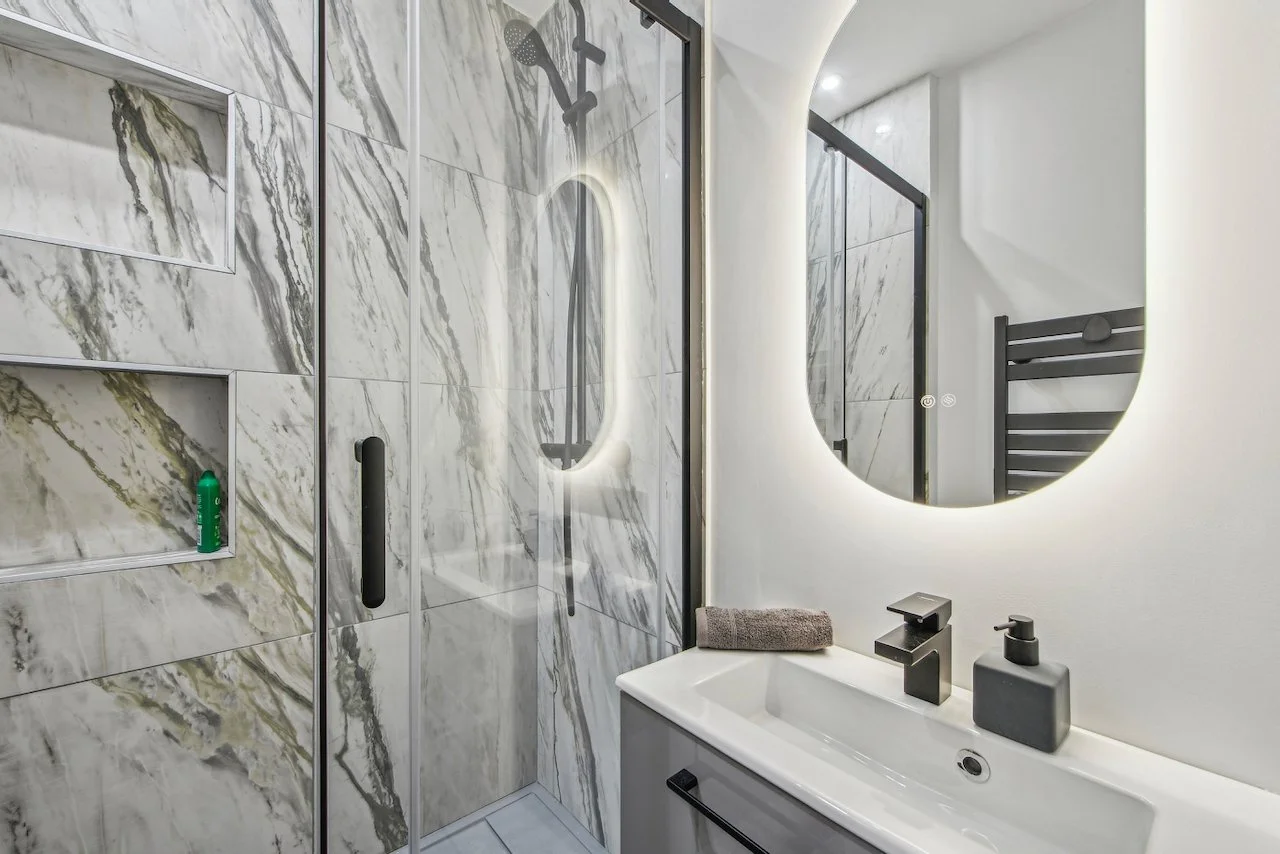
Marble in bathrooms: what works, what doesn't, and what nobody tells you
A marble bathroom is a commitment, not a finish. It is the most requested look I am asked for and the one I am most careful about, because the gap between a marble bathroom that ages into something extraordinary and one that stains in six months comes down to a handful of decisions most people never hear about.

Natural stone in interiors: Marble, travertine, limestone, and how to choose
Natural stone is one of the most loaded decisions in any interior design project. It is also one of the few materials I specify that will almost certainly outlive the people who chose it.
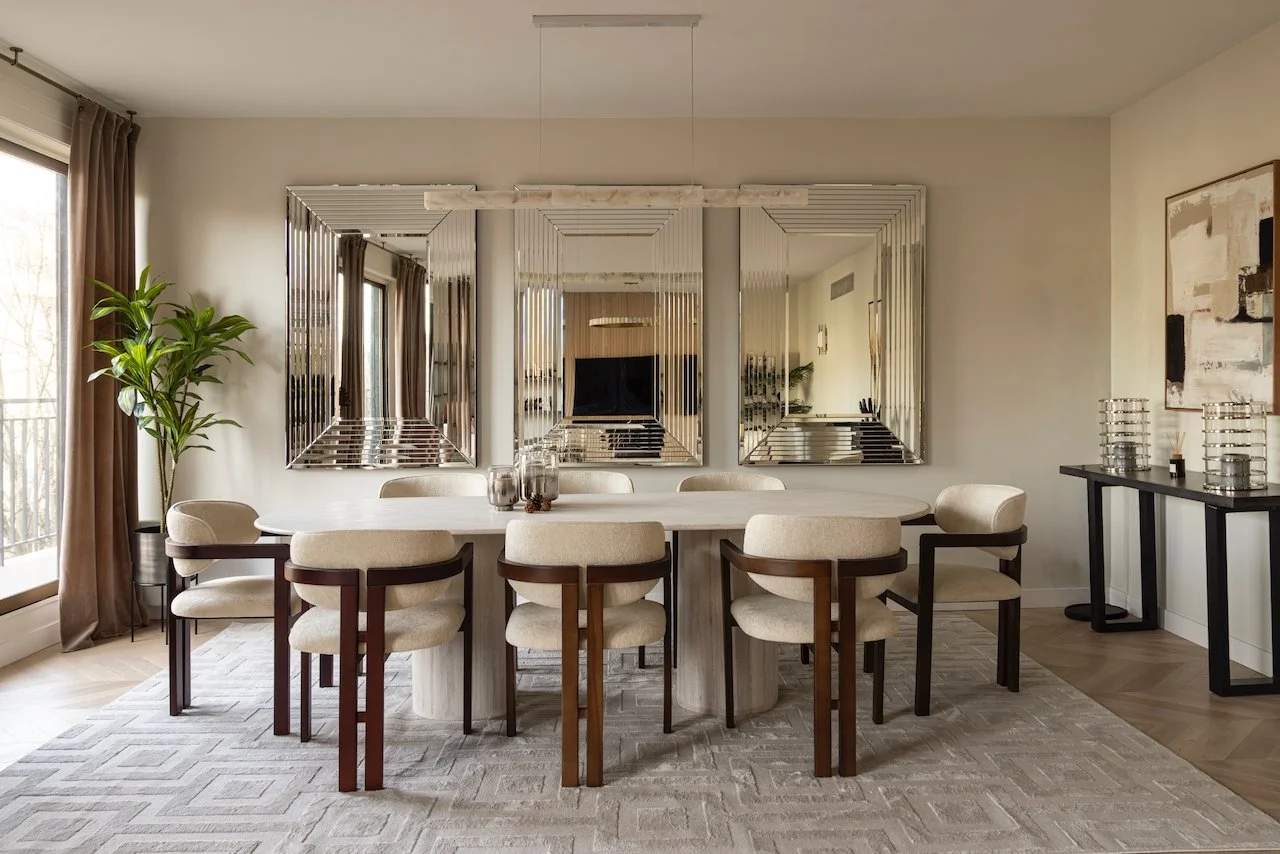
Choosing materials for a home that will age beautifully
Most people choose interior design materials for how they look on the day of the photograph. I choose them for how they will look in ten years.
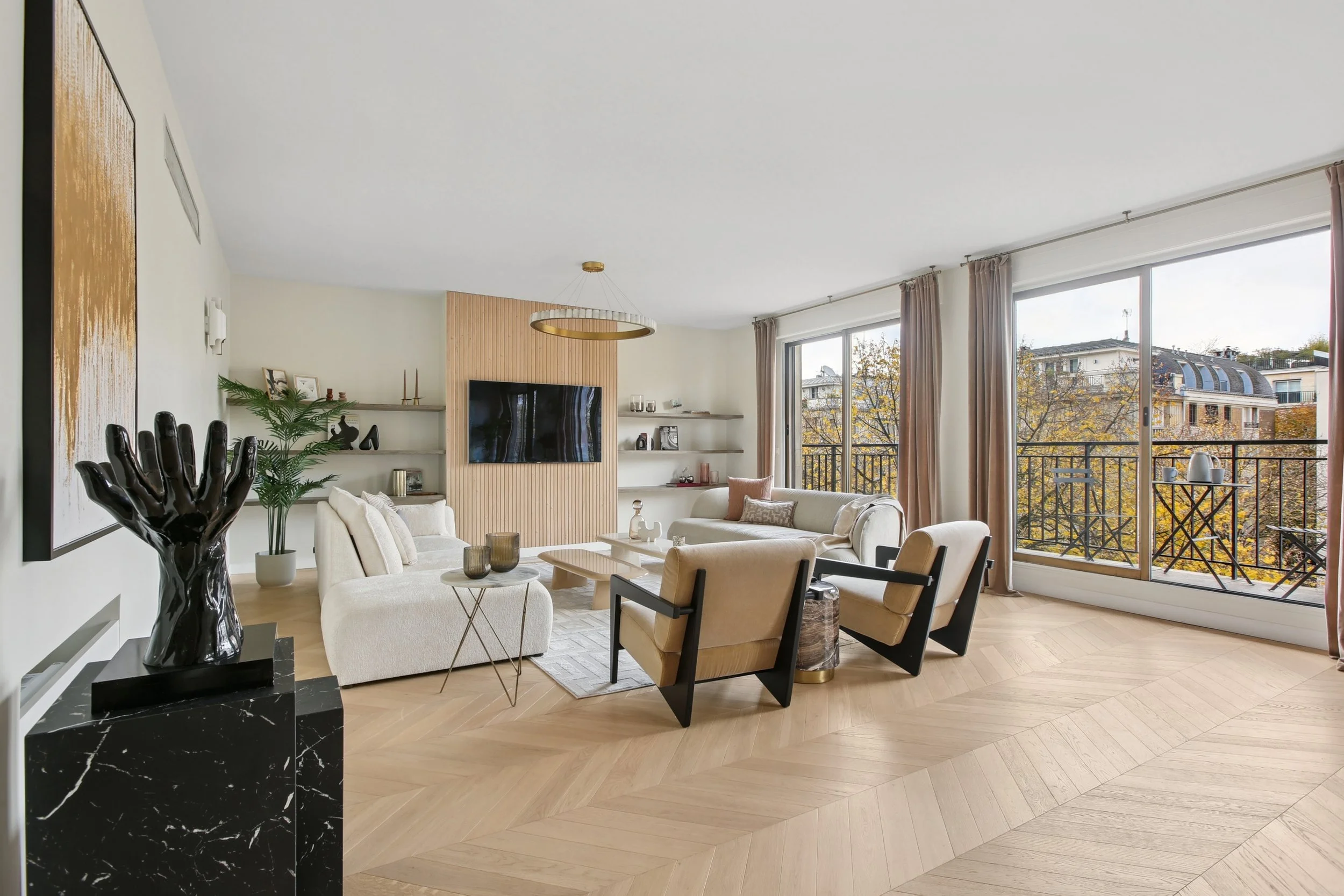
Why bespoke joinery belongs in every serious interior project
There is a moment in almost every project when a client asks why we are commissioning a cabinet rather than buying one. It is a fair question.
Windows and doors: The openings that define a space
Window and door design in interior architecture is, for most people, an afterthought a category of "fittings" chosen near the end from a supplier's catalogue, sized to fit the holes the builder left. I see it the other way around.

Natural light: The free material most renovations waste
Every apartment has light. Few of them use it. In nearly twenty years of looking at homes before they are touched, the single most common waste I see is not money spent on the wrong sofa or the wrong stone it is natural light, the one material that arrives free every morning and is squandered by walls put in the wrong place, windows dressed in the wrong fabric, and rooms arranged with their backs to the sun.

Small spaces: The architecture of living well in less square footage
Small space interior design is treated, almost everywhere, as a problem to be solved. The brief arrives already apologetic: only sixty square metres, only one bedroom, only this much square footage to work with.
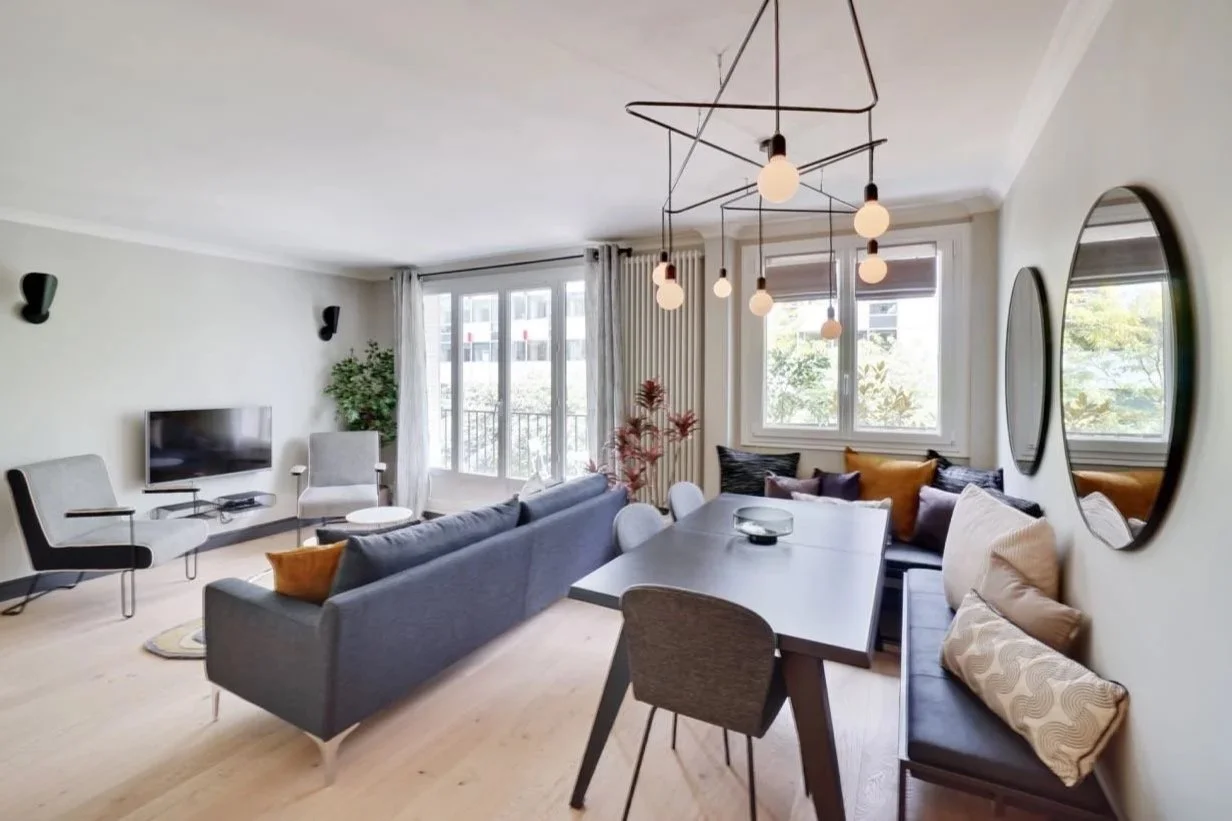
Designing for large spaces: why more room is harder, not easier
The assumption is almost universal. More room means more freedom, more possibility, a home that is easier to design and more pleasurable to inhabit. Interior designers know the opposite is true.
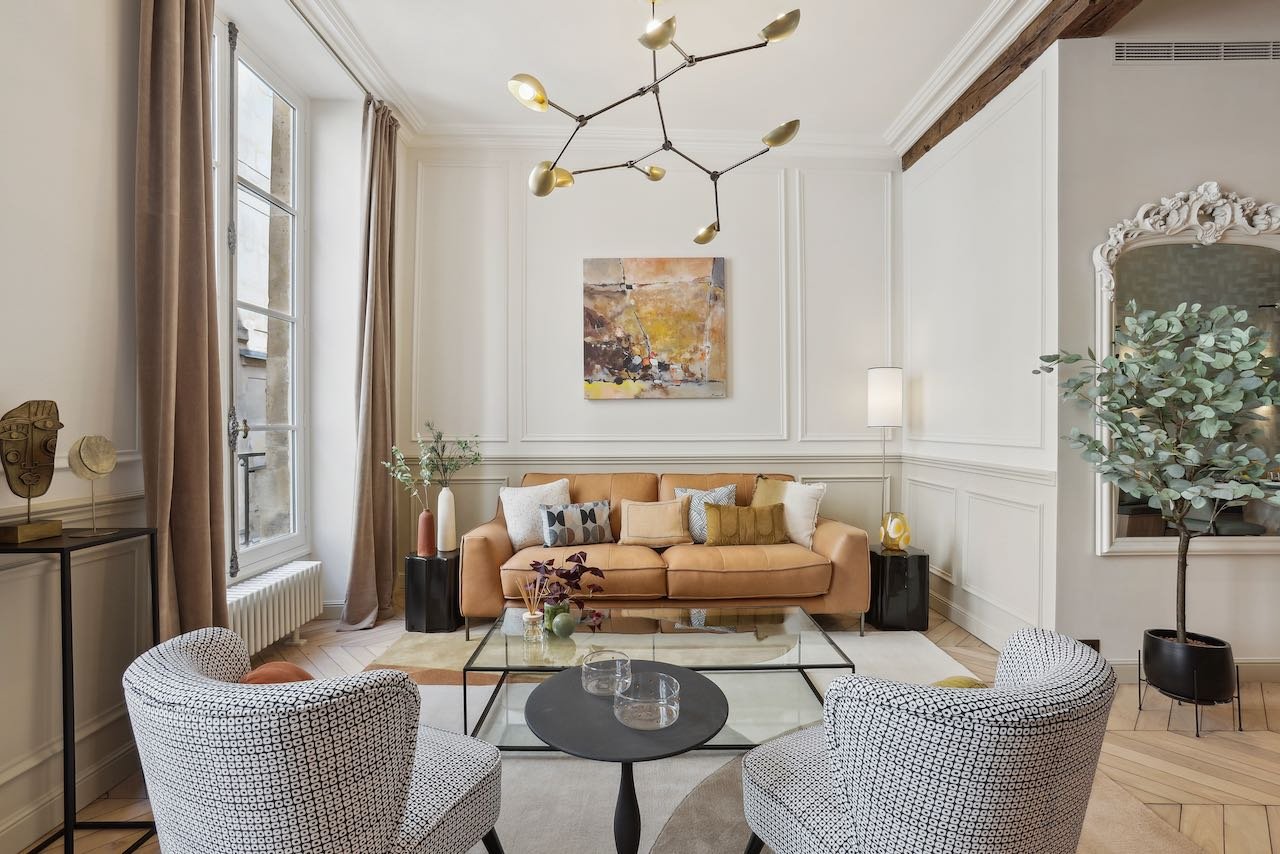
Thresholds: the detail nobody notices (until it's wrong)
A door threshold is one of the most overlooked details in residential interior design, and one of the most telling. The interior door threshold is the junction between two flooring materials, two rooms, two levels of a home.
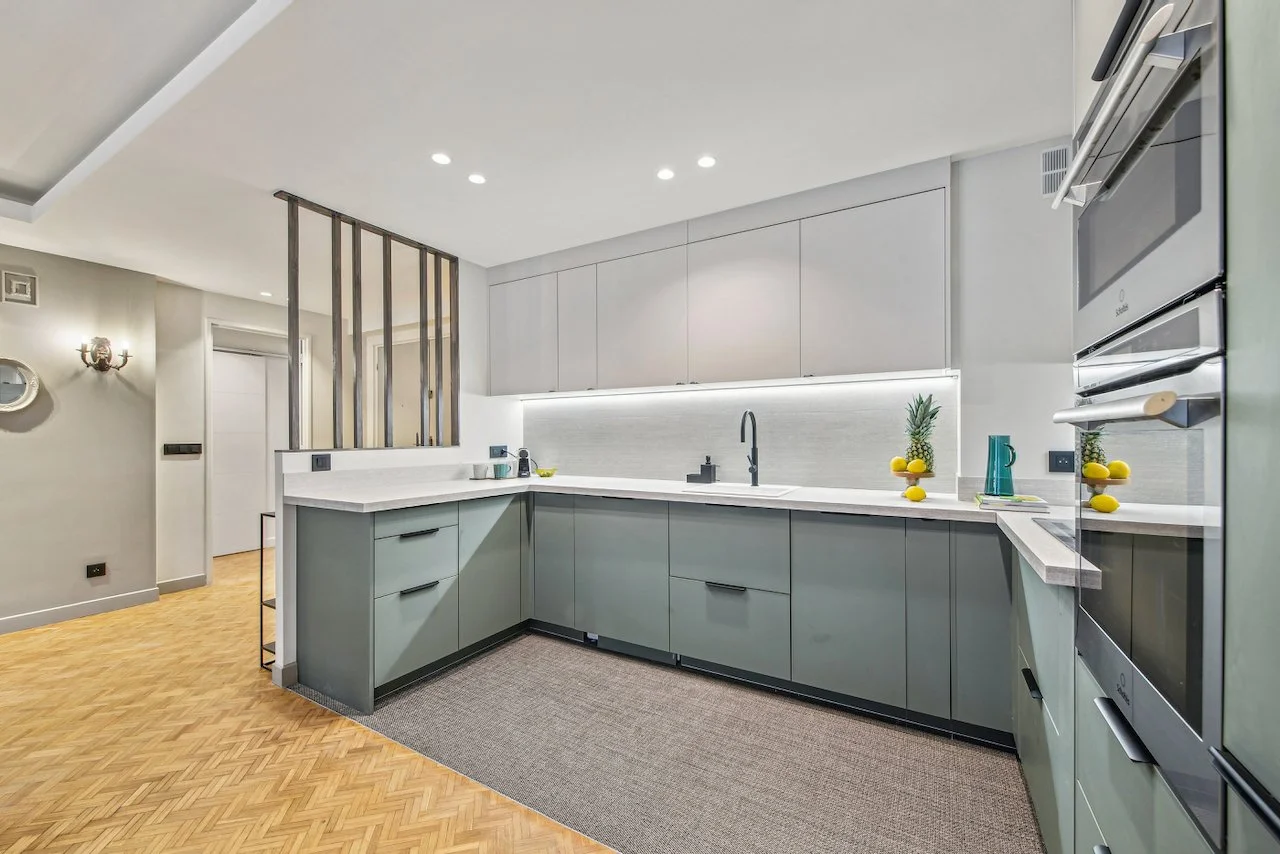
Circulation: why how you move through a home matters more than what's in it
Circulation is the word interior architects use for movement, for the routes that people take through a building, the paths that connect entrance to bedroom to kitchen to bathroom, the invisible logic that determines whether a home feels easy to inhabit or quietly exhausting.